-
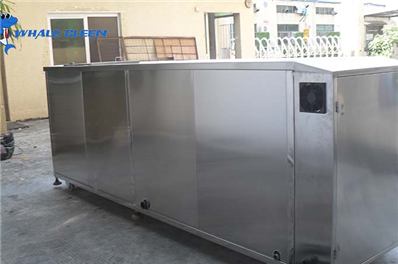 Why Do Ultrasonic Cleaners Have Temperature Control? The Science Behind the Heat
If you've shopped for or used an ultrasonic cleaner, you've likely noticed that many models come with a built-in heating function and a temperature control setting. This might lead you to wonder: if the cleaning power comes from ultrasonic waves,
-
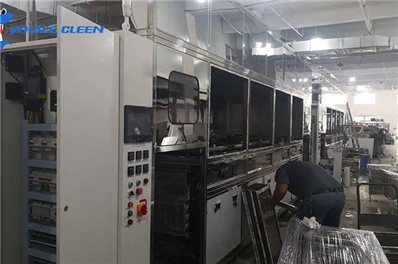 Struggling with Mold Residue That Compromises Part Quality? Discover Ultrasonic Cleaning Solutions
In precision manufacturing, the mold is the birthplace of your product. Every imperfection on the mold surface—every speck of carbon, every trace of resin, every microscopic oil residue—gets faithfully reproduced on every single part that emerges from it.
-
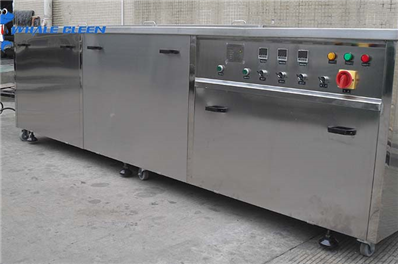 Why Do Ultrasonic Cleaners Have Multiple Cleaning Stages? The Science Behind the Process
Ultrasonic cleaners are widely used in industries such as manufacturing, healthcare, jewelry, and automotive for their ability to clean intricate items with precision. However, many users wonder why these machines often involve multiple cleaning stages in
-
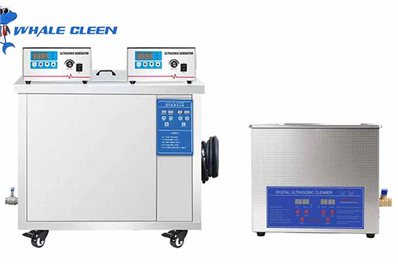 Why Ultrasonic Cleaners Can Remove Rust: The Science Behind Effective Rust Removal
Article Content Rust is a common yet stubborn problem that affects metal objects, from industrial machinery to household tools. Traditional rust removal methods often involve abrasive techniques or harsh chemicals, which can damage materials and pose e
-
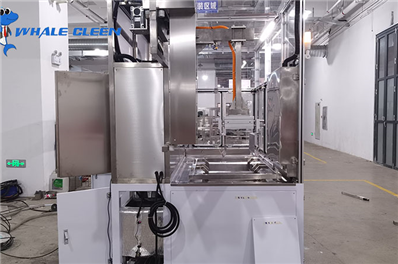 What is a Nano Ultrasonic Cleaning Machine? An In-depth Overview
1. Introduction Ultrasonic cleaning technology has been widely used in various industries for cleaning delicate and complex parts. From jewelry and precision instruments to medical devices and automotive components, ultrasonic cleaners offer high effic
-
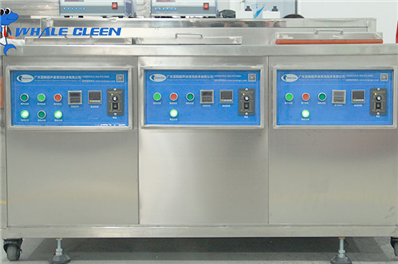 What is a Single-Tank Ultrasonic Cleaning Machine? A Comprehensive Overview
Ultrasonic cleaning technology has become an essential process in many industries for efficiently removing contaminants from surfaces, especially where precision and delicate handling are crucial. Among the various types of ultrasonic cleaners, the single
-
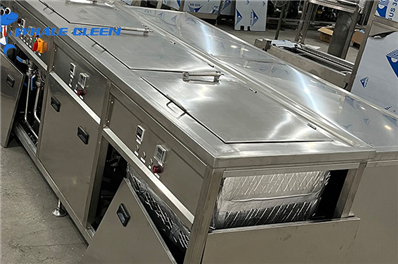 Enhancing Cleaning Standards: The Superior Performance of Ultrasonic Cleaners
Introduction Maintaining impeccable cleanliness is critical across industries, from healthcare to manufacturing. Traditional cleaning methods, while effective in some scenarios, often fall short when addressing intricate geometries, hard-to-reach areas
-
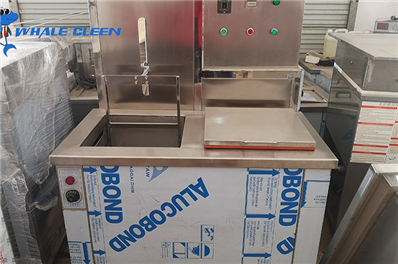 Ultrasonic Cleaning Equipment: A Green Solution for Cleaning Plastic Containers
Introduction In today's environmentally conscious world, industries are constantly seeking innovative ways to adopt greener practices. One such innovation is the use of ultrasonic cleaning equipment, which provides an efficient and eco-friendly sol
-
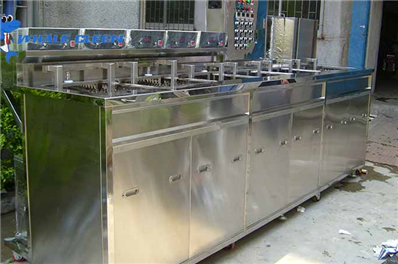 Ultrasonic washing machine for coating pretreatment
On the back of the optical glass, a metal silver (or aluminum) film is coated by a vacuum coating to make the incident light reflect the optical element. The output power of the laser can be doubled by using a reflector with a high reflection ratio, which
-
 Sensor Metal Housing Cleaning: Ultrasonic vs. Spray—Where the Difference Actually Lives
A sensor housing comes off the machining line with cutting oil, metal fines, and oxidized particles packed into thread roots, blind-hole bottoms, and mating seams. It goes through a spray washer, comes out looking clean, and passes a visual check. Weeks l
-
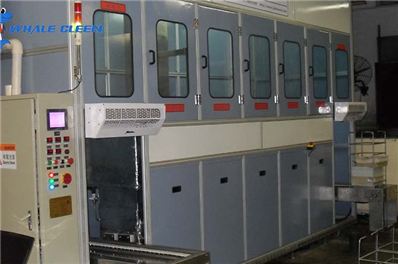 Ultrasonic Cleaning Machine: Solving the Micro-Hole Contamination Challenge in Sensor Housings
In automotive, aerospace, industrial automation, and electronics manufacturing, sensor housings are everywhere. These components often feature micro-holes, blind holes, internal channels, and threaded ports. During machining, stamping, molding, or assembl
-
Ultrasonic Cleaning Machine: How to Remove Thick Oxide Scale Without Acid Pickling
Thick oxide scale is one of the most stubborn contaminants in industrial parts cleaning. It forms on steel, castings, forgings, and welded components after heat treatment, hot rolling, or high-temperature processing. In many plants, the default solution i